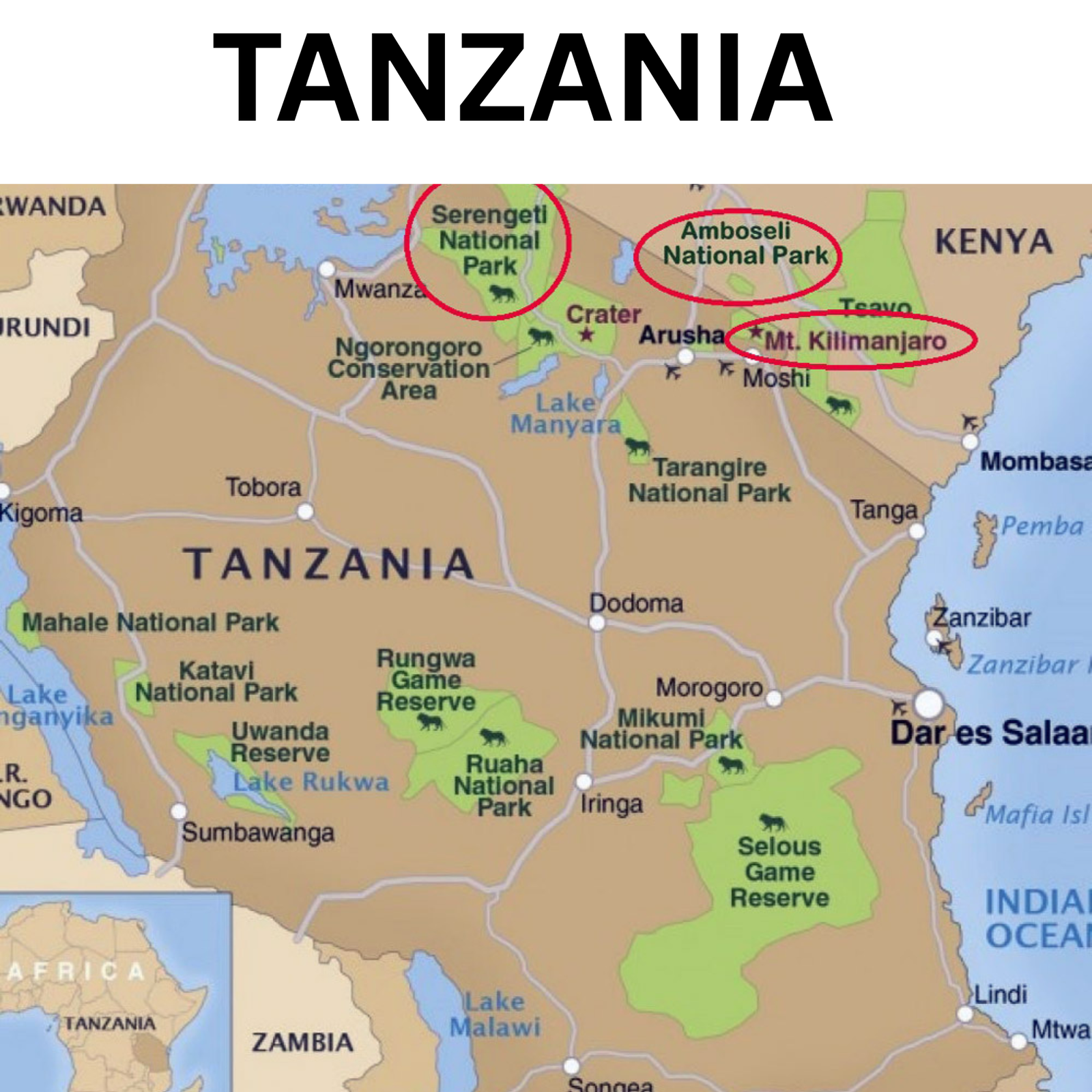
| THE SERENGETI NATIONAL PARK | is one of the most renowned wildlife parks in the world, attracting visitors from all over to witness the spectacular. Over a million wildebeest and several thousand zebras during the Great Migration migrated across the Serengeti for food and water. The Serengeti, a UNESCO World Heritage Site, is an expansive mosaic of savannahs, riverine forests, and granite kopjes, serving as the stage for the renowned great wildebeest migration where the thundering hooves of the migrating herds reverberate through the plains, accompanied by the heart-pounding drama of predator-prey interactions-a rare opportunities to witness dramatic wildlife encounters |
|---|---|
| NGORONGORO CRATER | The world's largest un flooded and unbroken caldera sheltering a high concentration of wildlife within its 600m high verdant walls. Often dubbed as Africa's "Garden of Eden." the geological marvel, present an unparalleled opportunity to witness the raw splendor of the African wilderness, immersing visitors in a realm where the rhythms of nature unfold in timeless grandeur, beckoning adventurers to partake in an odyssey of discovery and wonder.Visitors to the crater are treated to sightings of rare black rhinos, the pride of lions, and large herds of wildebeest and zebras, all set against the crater's striking scenery. |
| MOUNT KILIMANJARO | Adventurers can climb Mount Kilimanjaro, the "roof of Africa," which is the fourth-highest summit in the world.Often referred to as the roof of Africa; Mt Kilimanjaro is one of the world's most coveted trekking destinations, offering a medley of ecological zones, from lush rainforests to alpine deserts, culminating in the glaciated summit of Uhuru Peak.Hikers navigate diverse landscapes, forging a profound connection with nature while embracing the physical and mental challenges inherent to high-altitude trekking. The allure of conquering this majestic peak lies in the breathtaking panoramas and the sheer triumph of reaching the apex, where the earth meets the sky in a triumphant crescendo. |
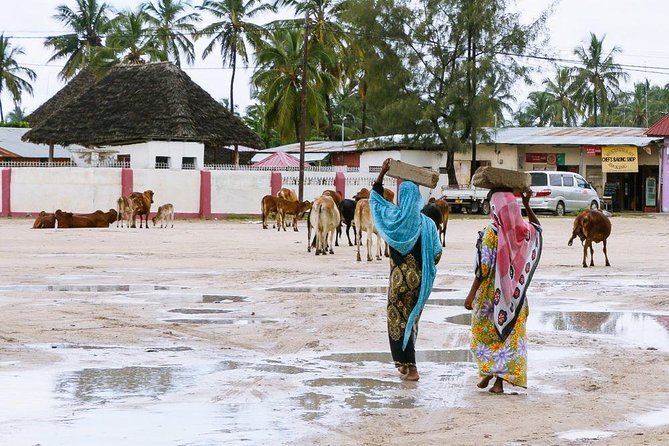
| ZANZIBAR | A tropical paradise is known for its white-sand beaches and aromatic spices. It is a popular destination for snorkeling and diving, with diverse marine life and colorful reefs. The UNESCO World Heritage site replete with historic Arabian, Persian, Indian, and European architectural and culinary legacies also offers splendid opportunities for relaxation and water sports. Pemba Island, Zanzibar's lesser-known gem, beckons with its unspoiled natural beauty and tranquil ambiance boasting of diverse flora and fauna, making it a haven for eco-tourism and nature enthusiasts. The islands collectively form an enchanting mosaic of culture, history, and natural splendor, inviting travelers to indulge in a multifaceted paradise that transcends the boundaries of time and tradition. |
| TARANGIRE NATIONAL PARK | Home to baobab and acacia trees and the densest population of elephants in Tanzania. located in northern Tanzania, is known for its diverse wildlife and iconic baobab trees. The park is especially renowned for its large herds of elephants and is often called "The Elephant Playground." Visitors can also spot lions, leopards, giraffes, and various antelope species. Tarangire River flows through the park, attracting a multitude of animals during the dry season. |
| Lake Manyara National Park | is a small but incredibly diverse park situated along the base of the Rift Valley escarpment. The park is famous for its tree-climbing lions and its flamingo-filled alkaline lake. Besides lions, you can spot elephants, giraffes, zebras, and a variety of bird species. The park is an excellent destination for bird enthusiasts, offering a chance to see over 400 bird species, including pelicans and storks. |
| ARUSHA NATIONAL PARK | which encompasses Mt. Meru with its ancient fig trees, waterfalls, and rare colobus monkeys, |

2 Nights/ 3 Days

7 Nights/ 8 Days

1 DAY

1 DAY

1 DAY
1 DAY

1 DAY

1 DAY